
Avondale Park history
Platted in 1887 and located east of Birmingham, Avondale Park soon became part of the city of Avondale, incorporated in 1889 and annexed into Birmingham in 1910. Indigenous peoples and early European explorers and settlers used the park’s natural spring.
Abner Killough, Jefferson County Sheriff in 1850-53 and 1862-65, acquired the land around the spring prior to 1860. The spring and his hilltop home, the current location of the Avondale Villa, were the site of a Civil War skirmish, during which Killough’s wife Angela was wounded. Peyton King later acquired the property. By the late 19th century, the area around the spring served as a popular recreation spot. Advertising their desirable location close to the spring and informal park, nearby lots sold.
In 1905, industrialist Andrew Carnegie provided funds for a library located at the former King residence site. The current library replaced the Carnegie Library in 1961. By 1910, a formal entrance and drives, followed by a formal rose garden, improved the park.
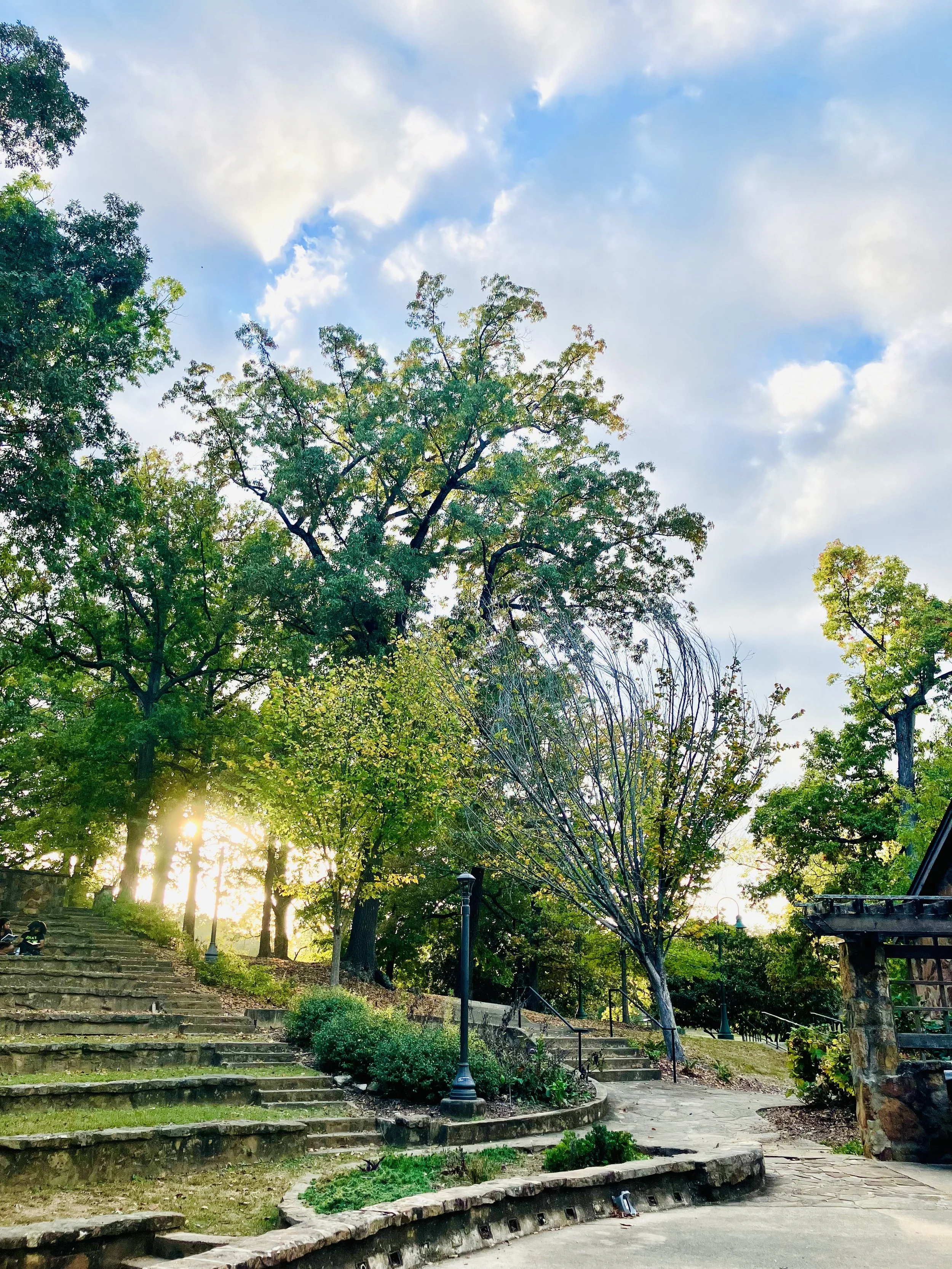
From 1913 to 1934, Avondale Park served as the location of Birmingham’s first zoo. The zoo’s star attraction, Miss Fancy, a former circus elephant, occasionally wandered into surrounding neighborhoods. The city constructed the amphitheater and Avondale Villa around 1931, using city bond money and labor supplied through a municipal works program for those unemployed during the Great Depression. The amphitheater hosted numerous religious and cultural events and famous performers.
In 1953, the Birmingham All-Stars, who played at Avondale Park, won the Little League World Series in Williamsport, Pennsylvania.
A Whites-only facility for decades, city officials opposing integration shuttered the park in January 1962. Following a change in city leadership and an agreement to gradually desegregate municipal facilities, the park reopened in late 1963. In 2011, the park underwent major renovations, and in 2022, it hosted the World Games archery competition. Today, this historic greenspace continues to draw people from across the region.